
01.
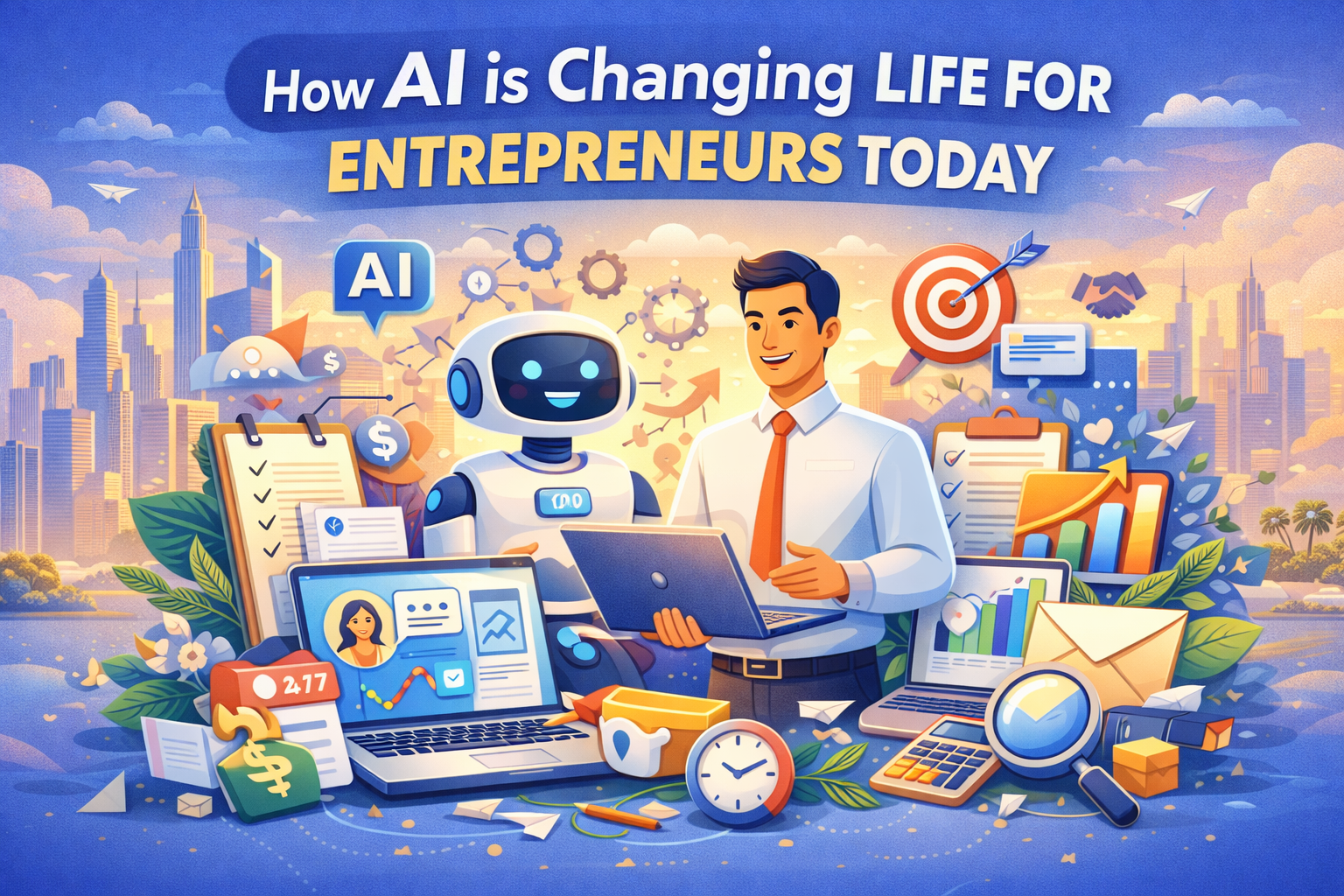
The modern workplace is evolving rapidly, and Google is at the forefront of this transformation with what can be described as an Agentic Workplace. This concept goes beyond traditional automation and introduces AI agents that can think, act, and collaborate alongside humans.
Instead of just using tools, employees now work with intelligent systems that proactively assist, automate workflows, and even make decisions within defined boundaries.
What is an Agentic Workplace?
An Agentic Workplace refers to an environment where AI agents act as digital coworkers, not just passive tools.
These agents can:
- Understand context
- Take initiative
- Execute multi-step tasks
- Collaborate across applications
In Google’s ecosystem, this is powered by Gemini AI integrated across Google Workspace, including Gmail, Docs, Sheets, Meet, and more.
Key Features of Google’s Agentic Workplace
1. AI That Takes Action, Not Just Instructions
Traditional AI responds to prompts. Agentic AI goes further:
- Drafts emails and sends them when approved
- Schedules meetings based on availability and priority
- Generates reports by pulling data across tools
👉 Example: Instead of asking “summarize this document,” you can say
“Prepare a summary and email it to the team before 5 PM” — and the AI handles it end-to-end.
2. Deep Integration Across Workspace Tools
Google is embedding AI into its core products:
- Gmail: Smart replies, email drafting, inbox prioritization
- Docs: Content generation, rewriting, formatting
- Sheets: Data analysis, forecasting, visualization
- Meet: Real-time transcription, summaries, action items
This creates a connected intelligence layer across all work applications.
3. Context-Aware Collaboration
Agentic systems understand:
- Your role
- Your past work
- Team priorities
This allows AI to:
- Suggest next steps in projects
- Auto-create task lists from meetings
- Highlight risks or delays in workflows
4. Workflow Automation at Scale
Instead of using multiple tools or scripts, AI agents can:
- Automate onboarding processes
- Generate client reports
- Manage support tickets
This reduces manual work and improves efficiency across teams.
5. Personalized AI Assistants
Each employee effectively gets a personal AI assistant that:
- Learns preferences over time
- Adapts to communication style
- Improves productivity continuously
Benefits of an Agentic Workplace
🚀 Increased Productivity
Employees spend less time on repetitive tasks and more on strategic work.
🤝 Better Collaboration
AI bridges communication gaps and ensures everyone stays aligned.
📊 Data-Driven Decisions
AI surfaces insights quickly, helping teams act faster.
⏱️ Time Efficiency
Tasks that took hours can now be completed in minutes.
Real-World Use Cases
1. Sales Teams
- Auto-generate proposals
- Summarize client calls
- Track follow-ups automatically
2. HR Teams
- Automate onboarding workflows
- Draft policy documents
- Analyze employee feedback
3. Marketing Teams
- Create campaign content
- Analyze performance metrics
- Generate reports instantly
4. IT & Support
- Resolve tickets using AI suggestions
- Automate responses
- Monitor system issues proactively
Challenges and Considerations
While powerful, the Agentic Workplace comes with challenges:
- Data Privacy: Ensuring sensitive data is protected
- Over-Reliance on AI: Maintaining human oversight
- Change Management: Training teams to adapt
- Accuracy & Trust: Validating AI outputs
Organizations must implement clear governance and policies.
The Future of Work
Google’s vision of the Agentic Workplace signals a shift from:
“Humans using tools” → “Humans collaborating with intelligent agents”
In the near future, we can expect:
- Fully autonomous workflows
- AI-driven decision support systems
- Hyper-personalized work environments
Conclusion
The Agentic Workplace by Google is not just an upgrade—it’s a transformation. By integrating intelligent AI agents into everyday tools, Google is redefining how work gets done.
Businesses that adopt this approach early will gain a significant advantage in speed, efficiency, and innovation.
Recent posts
Agentic Workplace by Google The Future of Work is Autonomous